
Omega-3 Fatty Acids
Filter
Showing 1–12 of 13 results

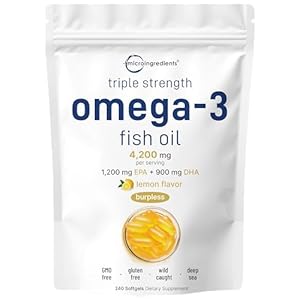


Top Questions
What are Omega-3 fatty acids, and why are they important for health?
Omega-3 fatty acids are essential polyunsaturated fats that play a crucial role in maintaining overall health. They are primarily found in fish oil, flaxseed, and other plant-based sources. Omega-3s support brain function, reduce inflammation, improve heart health, and may help lower the risk of chronic diseases like heart disease and certain types of cancer.
How do I choose the right Omega-3 supplement for my needs?
Look for supplements that are rich in EPA (Eicosapentaenoic acid) and DHA (Docosahexaenoic acid), which are the most biologically active forms of Omega-3s. Ensure the product is from a reputable source, third-party tested for purity, and contains no fillers or artificial additives. Consider your specific health goals, such as heart health, cognitive function, or joint support, to guide your choice.
What are the typical daily recommended intakes of Omega-3s?
The recommended daily intake of Omega-3s varies by age and health condition. Generally, adults are advised to consume about 250–500 mg of combined EPA and DHA daily. For specific health benefits like reducing triglycerides, higher doses (typically 1–2 grams) may be recommended under medical supervision. Always check with a healthcare provider for personalized advice.
Can Omega-3 supplements interact with medications, and should I be concerned?
Yes, Omega-3 supplements can interact with certain medications, particularly blood thinners like warfarin or aspirin. They may increase bleeding risk by thinning the blood. Additionally, high doses of Omega-3s might lower blood pressure or blood sugar levels, so it's important to monitor these effects if you're on other medications. Always consult your doctor before starting a new supplement.
How should I store Omega-3 supplements to ensure they remain effective?
Store Omega-3 supplements in a cool, dark place away from direct sunlight and heat. Many supplements come in glass bottles with airtight lids to protect them from oxidation, which can degrade the quality of the Omega-3s. If the supplement is in liquid form, keep it refrigerated and use it within the recommended shelf life to maintain potency.
Are there any side effects or risks associated with taking Omega-3 supplements?
Most people tolerate Omega-3 supplements well, but some may experience mild side effects like nausea, fishy aftertaste, or digestive discomfort. High doses can sometimes cause bleeding or increase the risk of bleeding in individuals with certain medical conditions. Always start with a recommended dose and gradually increase it to avoid these effects. If you experience severe side effects, discontinue use and consult a healthcare provider.
AI-generated from product information. Always verify details.