
Ayurvedic Balms & Ointments
Filter
Showing 1–12 of 14 results
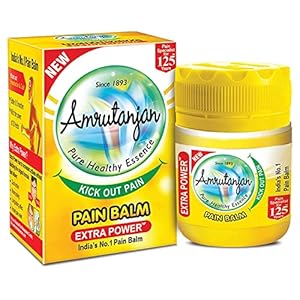


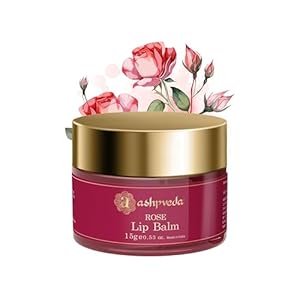


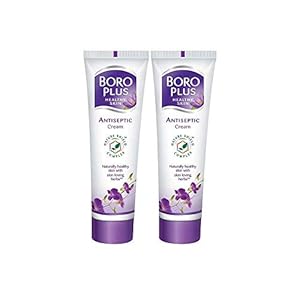
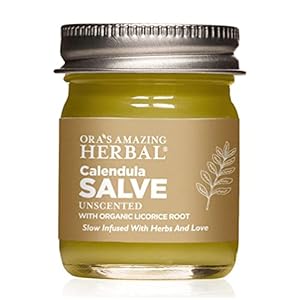


Top Questions
What are the key ingredients typically found in Ayurvedic balms and ointments?
Ayurvedic balms and ointments often contain natural ingredients like herbal extracts (e.g., neem, turmeric, aloe vera), essential oils (e.g., lavender, eucalyptus), carrier oils (e.g., coconut, sesame), beeswax, and sometimes medicinal plants like ashwagandha or chamomile. These ingredients are chosen for their therapeutic benefits and compatibility with Ayurvedic principles.
How do I choose the right Ayurvedic balm or ointment for my skin type?
Consider your skin’s needs: **Vata** (dry, cool) types may benefit from creams with warming oils like sesame or ghee, while **Pitta** (hot, inflamed) types might prefer cooling ingredients like coconut oil or cucumber extract. **Kapha** (oily, heavy) types could use lightweight oils like jojoba or almond oil. Always check the product’s description for recommended uses.
Are Ayurvedic balms and ointments safe for sensitive skin?
Most Ayurvedic balms are formulated with gentle, natural ingredients, but sensitivity varies. Patch-test a small amount on your skin first, especially if you have allergies. Avoid products with strong essential oils or synthetic additives. Opt for hypoallergenic or 'clean' formulations labeled for sensitive skin.
Can Ayurvedic balms be used for specific conditions like eczema, joint pain, or muscle soreness?
Yes! For **eczema**, look for balms with soothing herbs like neem or calendula. For **joint pain**, ointments with anti-inflammatory ingredients like turmeric or ginger may help. Muscle soreness often responds well to warming balms with **asana** (e.g., ginger, black pepper). Always consult a healthcare provider for severe conditions.
How should I store Ayurvedic balms and ointments to preserve their potency?
Store them in a cool, dry place away from direct sunlight. Many Ayurvedic products contain essential oils or natural preservatives, but refrigeration can extend shelf life for sensitive formulations. Check the product label for specific storage instructions, and replace if the seal is compromised.
Do Ayurvedic balms have any side effects, and how do I know if one is right for me?
While generally safe, some people may experience mild irritation, allergic reactions, or digestive upset if ingested (not recommended). Patch-test first, and avoid if you have known allergies to ingredients. Consult an Ayurvedic practitioner if you’re unsure. Look for products with transparent ingredient lists and third-party certifications (e.g., organic, non-GMO).
AI-generated from product information. Always verify details.