
Vitamin D
Filter
Showing all 11 results


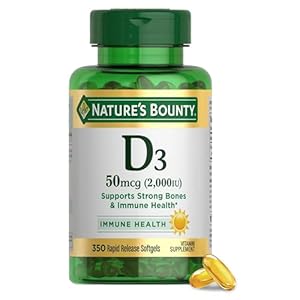

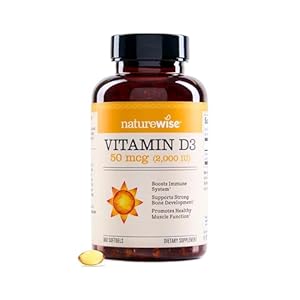
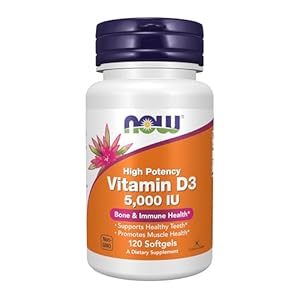


Top Questions
What is Vitamin D and why is it important for my health?
Vitamin D is a vital nutrient that plays a crucial role in maintaining bone health, supporting immune function, and aiding in the absorption of calcium. It helps regulate calcium and phosphate levels in the body, reducing the risk of osteoporosis and rickets. Additionally, it supports muscle function, mood regulation, and may help reduce the risk of certain chronic diseases.
How do I know if I need a Vitamin D supplement?
A good way to determine if you need a Vitamin D supplement is to get regular blood tests to measure your Vitamin D levels. Many people, especially those with limited sun exposure, older adults, or those with certain medical conditions (like malabsorption disorders), may benefit from supplementation. Consulting a healthcare provider is always recommended for personalized advice.
What forms of Vitamin D are available in supplements, and which one is best for me?
Vitamin D supplements come in two primary forms: Vitamin D2 (ergocalciferol) and Vitamin D3 (cholecalciferol). Vitamin D3 is generally more effective and preferred because it is more biologically active. It is also better absorbed and can be obtained from fatty fish, egg yolks, and fortified dairy products. Vitamin D2 is less effective for maintaining Vitamin D levels in the body.
How should I take Vitamin D supplements, and what dosage is recommended?
The recommended daily intake of Vitamin D varies by age and health status. Generally, adults should aim for 600–800 IU (15–20 micrograms) per day. For those with deficiencies or higher needs, doses up to 4000 IU (100 micrograms) per day may be prescribed by a healthcare provider. It's best to take Vitamin D with a meal that contains fat, as this enhances absorption. Always follow the specific instructions on your supplement label or consult your healthcare provider.
Are there any side effects or risks associated with taking Vitamin D supplements?
Vitamin D is generally safe when taken in appropriate doses. However, excessive intake can lead to toxicity, causing symptoms like nausea, vomiting, weakness, and excessive urination. The upper safe limit for Vitamin D is 4,000 IU per day for adults. It's important to avoid megadoses without medical supervision, especially if you have kidney disease or other health conditions. Always monitor your intake and consult a healthcare provider if you have concerns.
How long does it take for Vitamin D supplements to start working, and how can I ensure I'm getting enough?
The time it takes for Vitamin D supplements to work can vary. For those with deficiencies, it may take several weeks to months to see improvements in blood levels. To ensure you're getting enough, maintain a consistent intake, follow dosage recommendations, and consider monitoring your levels through regular blood tests. Additionally, spend time outdoors in sunlight (moderate sun exposure is beneficial), eat foods rich in Vitamin D, and consider fortified foods if needed.
AI-generated from product information. Always verify details.