
Carrier & Essential Oils
Filter
Showing all 12 results



Top Questions
What are carrier oils used for in essential oil blends?
Carrier oils serve as a base to dilute essential oils, making them safe for topical application. They help enhance absorption, prolong the lifespan of essential oils, and provide additional therapeutic benefits like moisturizing or nourishing properties. Common uses include massage blends, skincare, and hair treatments.
How do I know which carrier oil is best for my skin type?
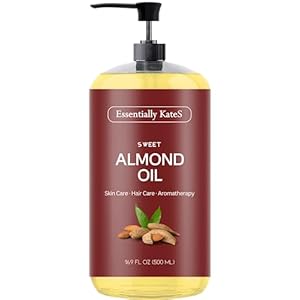
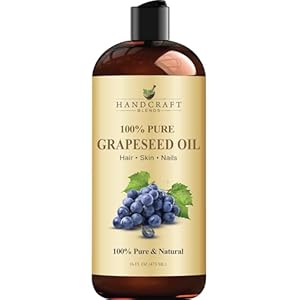
For dry skin, consider light, nourishing oils like **jojoba** or **avocado**. Oily skin benefits from **sweet almond** or **grape seed oil**, which help regulate sebum. Sensitive skin may prefer **sunflower** or **rosehip seed oil**, which are gentle and anti-inflammatory. Always patch-test before use.
Can I mix essential oils with carrier oils for home remedies?
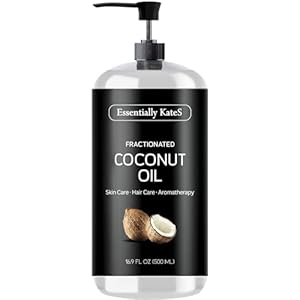
Yes! Essential oils can be combined with carrier oils for DIY remedies. For example, **lavender + coconut oil** can soothe burns, while **tea tree + jojoba oil** may help with acne. Always use a **1-2% dilution ratio** (e.g., 6-12 drops essential oil per 1 oz carrier oil) and avoid applying undiluted oils directly to the skin.
How should I store my essential oils and carrier oils to maximize shelf life?
Store oils in a **cool, dark place** away from direct sunlight and heat. Use **glass bottles** with tight-fitting caps to prevent oxidation. Essential oils should be refrigerated after opening to slow evaporation. Carrier oils like **avocado or olive oil** can last **6–12 months**, while lighter oils (e.g., **sunflower**) may last **3–6 months** once opened.
Are all essential oils safe for internal use? What should I consult before taking them?
Most carrier oils are **not safe for internal consumption** unless explicitly labeled as food-grade. Essential oils should **never** be ingested without professional guidance. Always consult a **licensed aromatherapist or healthcare provider**, especially if you have conditions like epilepsy, pregnancy, or take medications. Some oils (e.g., **peppermint, citrus**) can be toxic in high doses.
How do I choose the right essential oil for relaxation or stress relief?
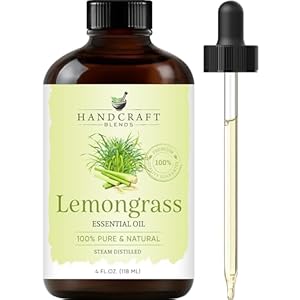
For relaxation, try **lavender** (calming), **chamomile** (soothing), or **bergamot** (mood-boosting). For stress relief, **frankinense** (resinous) or **cedarwood** (grounding) are excellent. Diffuse oils in the evening or apply diluted blends to pulse points like wrists or temples. Avoid citrus oils in the morning if they may cause photosensitivity.
AI-generated from product information. Always verify details.