
Sound Therapy Products
Filter
Showing 13–14 of 14 results

Top Questions
What are the primary benefits of using sound therapy products for relaxation?
Sound therapy products like binaural beats headphones, crystal singing bowls, and tuning forks are designed to promote relaxation, reduce stress, and enhance mental clarity. Binaural beats can help with meditation, sleep, and focus, while instruments like singing bowls can induce deep relaxation and emotional healing through their resonant frequencies.
How do I choose the right sound therapy device for my needs?
Consider your primary goal—whether it's stress relief, sleep improvement, or focus. For beginners, a simple binaural beats app or portable headphones with guided sessions may be ideal. For deeper experiences, consider high-quality crystal singing bowls or tuning forks, which often require more practice to master. Ensure the device meets your comfort level and budget.
Are sound therapy products safe for everyone, including children and pregnant women?
Most sound therapy products are safe for general use, but precautions apply. For children, choose gentle frequencies and avoid prolonged exposure to high-intensity sounds. Pregnant women should consult their healthcare provider before using sound therapy, as some frequencies may not be recommended during pregnancy. Always start with short sessions to assess individual comfort.
How do I properly maintain and clean my sound therapy equipment?
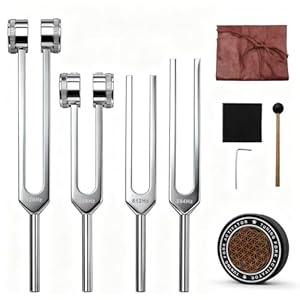
For headphones, remove ear cushions and clean them with a damp cloth or mild soap solution. Avoid submerging them in water. Crystal singing bowls can be wiped down with a soft cloth and occasionally cleaned with a damp microfiber cloth. Tuning forks should be stored in a dry place and occasionally brushed to remove dust. Follow manufacturer guidelines for specific care instructions.
Can sound therapy products be used alongside traditional medical treatments?
Yes, sound therapy products can complement traditional medical treatments by enhancing relaxation, reducing anxiety, and improving sleep quality. However, they should not replace professional medical advice or prescribed treatments. Always discuss your use of sound therapy with your healthcare provider, especially if you have underlying health conditions.
What are the best ways to integrate sound therapy into my daily routine?
Start with short sessions—even 10 to 15 minutes daily can make a difference. Pair sound therapy with activities like meditation, yoga, or evening relaxation. Experiment with different frequencies and instruments to find what resonates best with your energy levels. Consistency is key, so choose a time that fits seamlessly into your schedule, such as morning wake-up or bedtime.
AI-generated from product information. Always verify details.