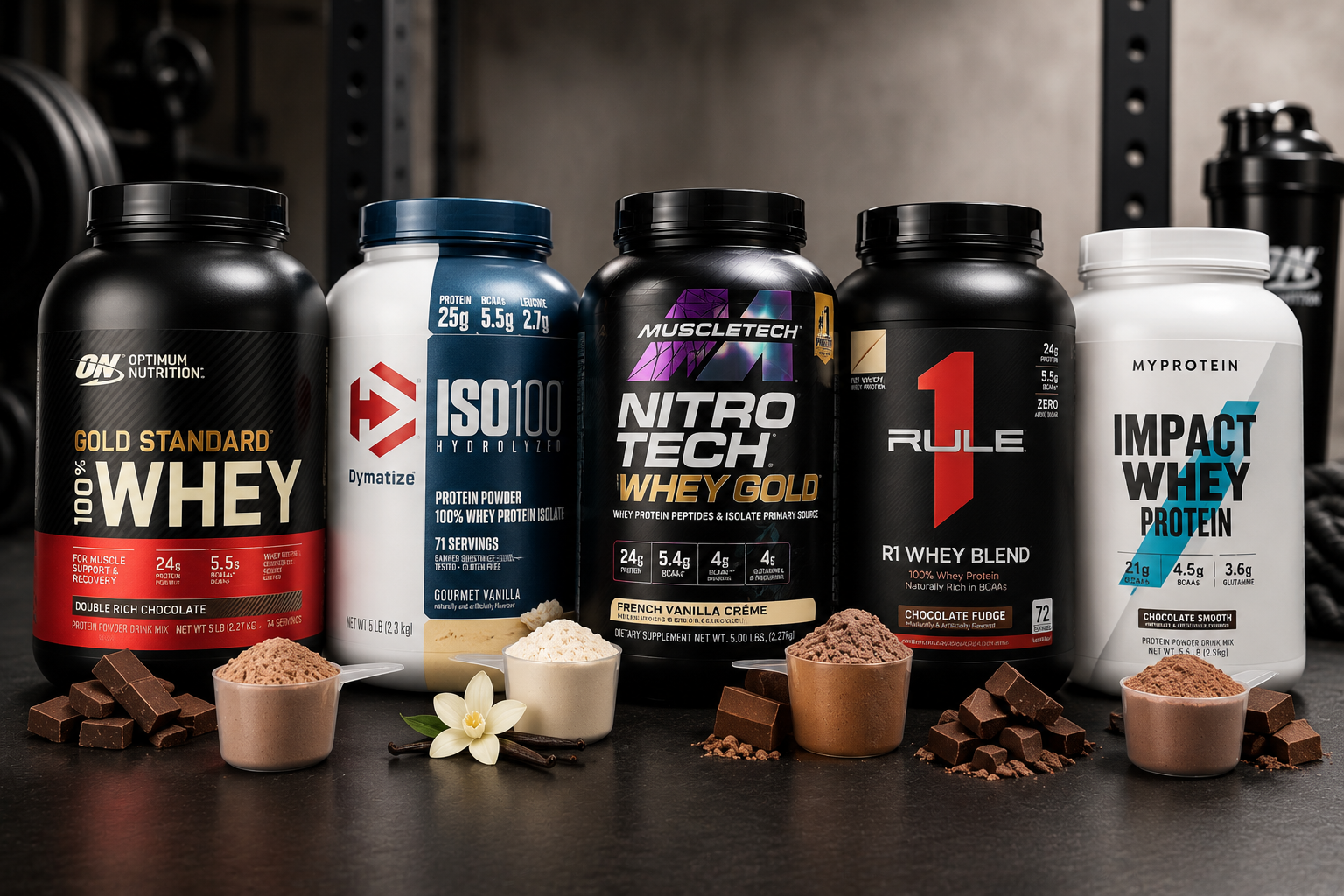


When it comes to sports supplements, the debate on their necessity for performance is ongoing. Are these products truly essential for maximizing your athletic abilities, or are they just a trend in the fitness world? Before you make a decision, consider exploring the science behind their effectiveness, understanding your unique nutritional needs, and evaluating how they align with your fitness goals. The truth about sports supplements might surprise you, so it’s worth taking a closer look at the facts before making up your mind.
Potential Benefits of Sports Supplements
Sports supplements can enhance your athletic performance by providing essential nutrients and supporting your body’s energy needs. These supplements are designed to help you meet the demands of your training regimen and optimize your overall physical output. By incorporating sports supplements into your routine, you can ensure that your body receives the necessary fuel to perform at its best.
One key benefit of sports supplements is their ability to improve your endurance during workouts. Products like energy gels or drinks can provide a quick source of carbohydrates to fuel your muscles and keep you going strong. Additionally, protein supplements can aid in muscle repair and recovery post-exercise, allowing you to bounce back faster and stronger for your next session.
Moreover, certain supplements contain ingredients that can enhance mental focus and concentration, which are crucial for maintaining peak performance during competitions or intense training sessions. By carefully selecting the right sports supplements for your needs, you can maximize your athletic potential and reach your fitness goals more efficiently.
Types of Sports Supplements Available
Exploring the variety of available sports supplements can provide valuable insights into enhancing your athletic performance and supporting your fitness goals. When considering sports supplements, it’s essential to understand the different types and their potential benefits.
Protein supplements, such as whey and casein, are popular for muscle recovery and growth. Creatine is known for boosting strength and power output during high-intensity exercises. BCAAs (branched-chain amino acids) can aid in muscle recovery and reducing fatigue.
Pre-workout supplements often contain ingredients like caffeine to enhance focus and energy levels before training sessions. On the other hand, post-workout supplements may include ingredients like glutamine to support muscle recovery. Additionally, sports drinks and electrolyte tablets are essential for hydration and replenishing electrolytes lost through sweat.
Keep in mind that the effectiveness of these supplements can vary based on individual needs and goals. Before incorporating any supplements into your routine, it’s crucial to assess your specific requirements and consult with a healthcare professional or nutritionist.
Considerations Before Using Supplements
Before incorporating any supplements into your routine, it’s important to assess your specific needs and consult with a healthcare professional or nutritionist. Consider factors such as your age, gender, overall health, dietary habits, and the type of physical activity you engage in. A healthcare professional can help determine if you have any nutrient deficiencies or health conditions that may impact the effectiveness or safety of certain supplements. Additionally, they can provide personalized recommendations based on your individual requirements.
When considering supplements, remember that they’re meant to complement a healthy diet and training regimen, not replace them. It’s crucial to prioritize a balanced diet rich in whole foods to meet your nutritional needs before relying on supplements. Keep in mind that supplements aren’t regulated as strictly as medications, so quality and safety can vary between products. Look for reputable brands that undergo third-party testing to ensure purity and potency. Finally, consider any potential interactions with medications you may be taking and be cautious of exaggerated claims or promises made by supplement manufacturers.
Scientific Evidence on Supplement Efficacy
Assessing the scientific evidence behind supplement efficacy is crucial for making informed decisions about their potential impact on performance. Various studies have been conducted to evaluate the effectiveness of different sports supplements.
For example, creatine has been extensively researched and shown to enhance strength and power in high-intensity activities like weightlifting and sprinting. Additionally, caffeine is known to improve endurance performance by reducing perceived exertion and increasing alertness. Branched-chain amino acids (BCAAs) have been studied for their potential to reduce exercise-induced muscle damage and improve recovery.
However, not all supplements have strong scientific backing. Some products lack sufficient evidence to support their performance-enhancing claims. It’s essential to critically evaluate the research behind each supplement and consider factors like dosage, timing, and individual variability. Consulting with a sports nutritionist or healthcare provider can help you navigate the complex landscape of sports supplements and make informed choices that align with your performance goals.
Integrating Supplements Into Training Regimen
Consider incorporating sports supplements strategically into your training regimen to optimize performance and recovery.
When integrating supplements, it’s crucial to understand your specific training goals and nutritional needs. Tailoring your supplement intake to complement your training can lead to enhanced results.
Pre-workout supplements like caffeine can improve focus and energy levels during training sessions. Branched-chain amino acids (BCAAs) aid in muscle recovery and can be beneficial post-workout.
Creatine is known for its ability to increase strength and power, making it a valuable addition to strength training routines. For endurance athletes, beta-alanine can help buffer lactic acid buildup, potentially improving performance.
It’s essential to consult with a healthcare provider or nutritionist before adding supplements to your regimen to ensure they align with your individual needs and goals.