
Creatine
Filter
Showing all 10 results




Top Questions
What is creatine, and why is it commonly used in supplements?
Creatine is a naturally occurring compound found in foods like red meat and fish, as well as produced by the body. It plays a key role in energy production for cells, particularly in muscles. Supplements are often used by athletes, fitness enthusiasts, and active individuals to enhance strength, power, and recovery due to its ability to increase phosphocreatine stores, which support ATP (energy) regeneration during high-intensity exercise.
How should I take creatine to maximize its benefits?
For best results, most people take 3–5 grams of creatine monohydrate daily. It’s best consumed with a carb-rich meal or after a workout to enhance absorption. There’s no need for a loading phase unless you prefer it, as studies show consistent daily intake provides similar benefits over time. Stay hydrated as creatine pulls water into muscle cells.
Are there any side effects of taking creatine, and who should avoid it?
Creatine is generally safe for most healthy individuals when taken at recommended doses. Common side effects are minimal and often include mild stomach discomfort or increased thirst. Rarely, some people experience water retention or muscle cramps. Those with kidney issues, untreated diabetes, or severe heart conditions should consult a healthcare provider before use. Pregnant or breastfeeding women should also avoid creatine unless advised by a doctor.
How long does it take for creatine to start working, and what results can I expect?
You may notice subtle improvements in strength and power within 2–4 weeks of consistent use. More noticeable changes in muscle fullness and performance typically appear after 4–8 weeks. Creatine’s effects are cumulative, so sticking with it for at least 3–6 months will yield the most consistent benefits, especially for those engaged in high-intensity training.
Can creatine be taken with other supplements, or does it interact with them?
Creatine is well-tolerated with many supplements, including protein powders, BCAAs, and multivitamins. However, avoid combining it with diuretics or excessive caffeine, as these may increase dehydration risks. Some studies suggest pairing creatine with beta-alanine (which may cause tingling) or citrulline malate (for enhanced recovery) can enhance performance further. Always check supplement labels for compatibility.
What forms of creatine are best for beginners, and which should I avoid?
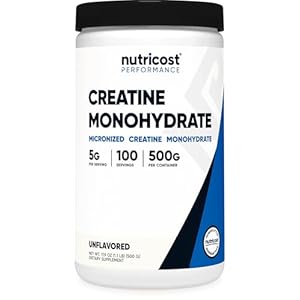
For beginners, creatine monohydrate is the most researched, cost-effective, and reliable form. It’s the gold standard due to its consistent absorption and proven benefits. Avoid less common or unproven forms like creatine ethyl ester, creatine citrate, or buffered creatine, as they lack strong scientific backing and may offer minimal or no additional advantages over creatine monohydrate.
AI-generated from product information. Always verify details.