
Dietary Supplements
Filter
Showing 49–60 of 88 results

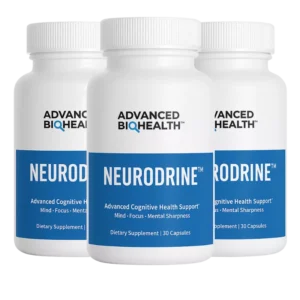
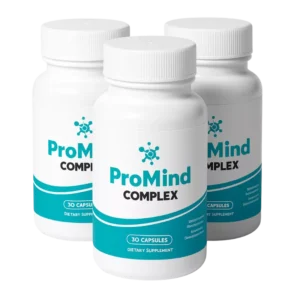



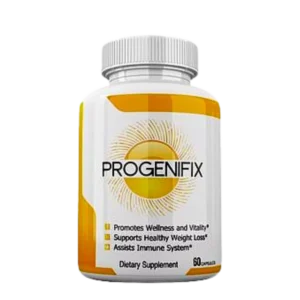

Top Questions
What are the primary benefits of dietary supplements for my health?
Dietary supplements can support various health needs, such as boosting immunity, improving energy levels, aiding digestion, and providing essential nutrients like vitamins and minerals that may be lacking in your diet. They can also help manage specific conditions like joint pain, stress, or sleep disorders when used appropriately under professional guidance.
How do I choose the right dietary supplement for my needs?
Start by identifying your specific health goals—whether it’s weight management, muscle recovery, or general wellness. Look for supplements with high-quality ingredients, third-party certifications (like NSF or USP), and clear dosage instructions. Consulting a healthcare provider before starting any supplement is always recommended, especially if you have pre-existing conditions or take medications.
Are all dietary supplements safe to take, and what should I look for to ensure safety?
While many supplements are safe, some may interact with medications or have side effects. Opt for brands that provide third-party testing for purity and potency. Avoid supplements with artificial additives, excessive fillers, or unclear labeling. Always check for warnings or contraindications on the product packaging and consult a healthcare professional if unsure.
How should I store dietary supplements to maintain their effectiveness?
Store supplements in a cool, dry place away from direct sunlight and heat sources. Most supplements should be kept in their original packaging to protect them from moisture and light. If the product has a specific storage instruction (e.g., refrigeration for certain vitamins), follow those guidelines to preserve potency.
What are the most common types of dietary supplements available, and which one is best for me?
Common types include vitamins (e.g., Vitamin D, B-complex), minerals (e.g., magnesium, calcium), herbal supplements (e.g., turmeric, ginkgo biloba), and amino acids (e.g., whey protein, collagen). The best supplement depends on your dietary habits, age, health status, and goals. For example, Vitamin D supports bone health, while omega-3s may benefit heart health. A personalized recommendation from a nutritionist or doctor is ideal.
Can I take multiple supplements together, and how do I avoid potential interactions?
Taking multiple supplements can be beneficial if they address different needs, but it’s important to avoid overloading on similar nutrients (e.g., excessive Vitamin C or iron). Stick to recommended dosages and avoid mixing supplements with medications unless approved by a healthcare provider. Always check ingredient lists for common allergens or interactions (e.g., St. John’s Wort with blood thinners). Start with one supplement at a time to monitor how your body responds.
AI-generated from product information. Always verify details.